Harold McGee’s books on cooking and booze are famous for challenging the myth that alcohol all evaporates when you cook with it – it turns out that some of the alcohol, or a lot, lingers. But the chapter that sticks with me from his 1984 book on culinary science, On Food and Cooking, is specifically about wine.
Humans didn’t choose grapes arbitrarily. “The grape turned out to be uniquely suited to the development of a diverse family of alcoholic drinks,” he writes. “A given wine contains several hundred different kinds of volatile molecules,” adding that the “same molecules are also found in temperate and tropical fruits, flowers, leaves, wood, spices, animal scents, cooked foods of all kinds, even fuel tanks and nail polish remover.”
So when people say snobby-sounding stuff like, “It has flavors of blackberry and tobacco,” they may be 100% correct; fermented grapes actually create those exact chemical signatures.
Wine adds a complex flavor that no other ingredient can
I’d always assumed you could press cherries or apricots or whatever, and the wine would be just as good. Instead, McGee explains, the grape’s combination of acids, sugars, and compounds turn plain grape juice into “by far the most sophisticated” of all the wines out there, he explained in Nose Dive, his 2020 exploration of scent.
Other plants can create great wine, like rice for soju and sake, but nothing beats grape wine for intensity and flavor variation.
The problem is that there’s a lot of wine to choose from. If you make a chicken marsala or risotto with sweet California zinfandel, it’ll be nasty. You have to pick the right wine for the job.
“COOKING WINE” vs. COOKING WITH WINE
Don’t buy stuff at the grocery store labeled as “cooking wine.” They’re packed with salt and other preservatives, and they taste bad. There are plenty affordable, perfectly decent regular wines to choose from. But what to pick, exactly? If you’re in a giant chain supermarket with a zillion wines on the shelf, my recommendation is to leave. The cheap wines in those aisles tend to be mass produced and low quality. Go to a wine shop with a table for good wines under $15. Or better yet, go to a shop that carries inexpensive European wine. In many US states, Trader Joe’s has a wine section that slaps for the price. Don’t be afraid of telling the staff your looking for a cheap, simple wine appropriate for cooking.
RED WINES
Red wine is made from red grapes (you knew that), and as the juice begins to ferment, it macerates on the dark skins, taking on the color and other flavorful compounds like tannins. This gives boeuf bourguignon its richness, and it’s perfect for other stews and syrupy deep red desserts (like prunes stewed with red wine and a cinnamon stick). Classically, a pinot noir or another dry, medium bodied red that’s dry is what you want. Too many tannins, too much residual sugar, or too much oak (like Bordeauxs or California Cabernets) can take a dish in odd directions.
WHITE WINES
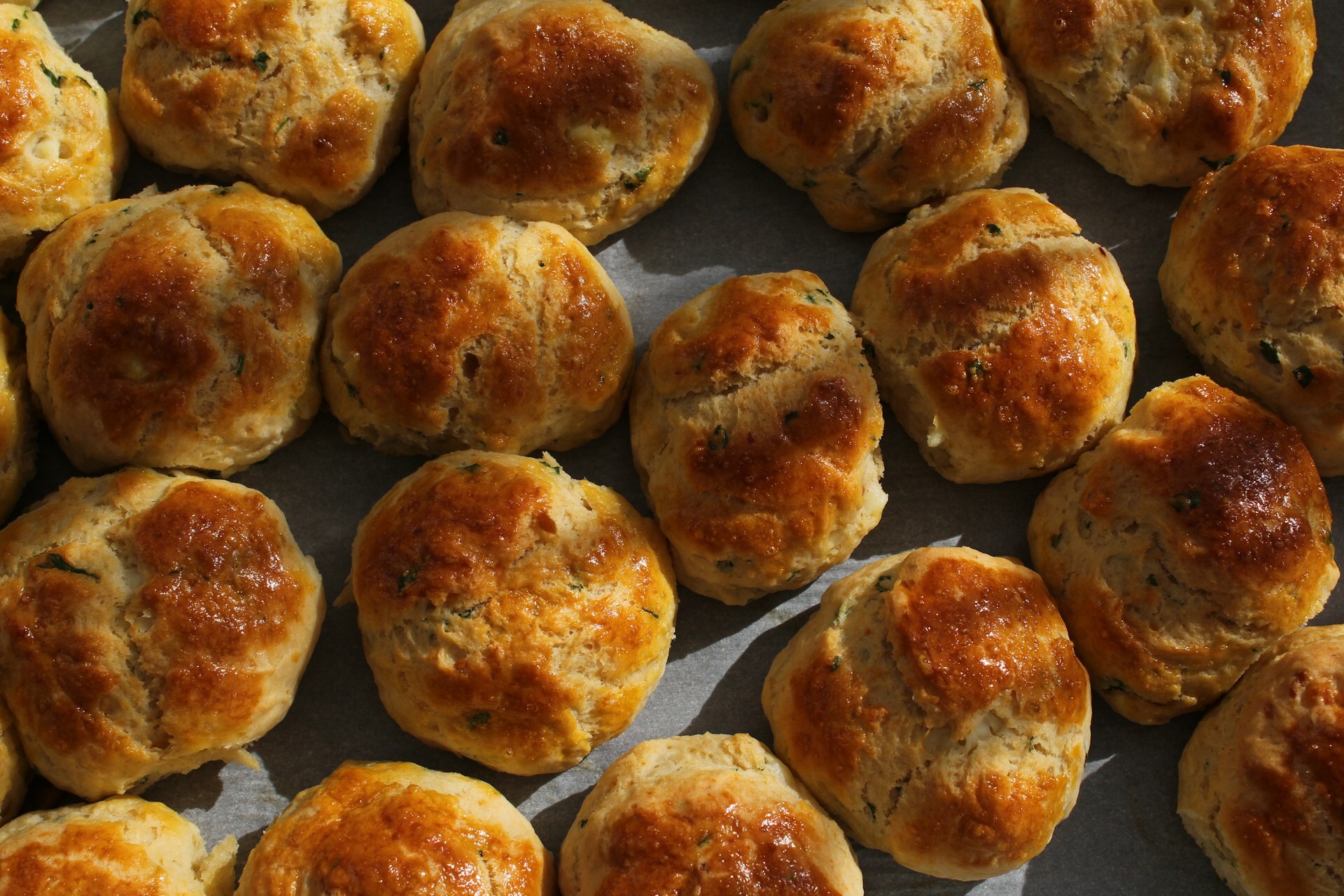
White wines give you the most flexibility when you cook because many are exposed to little or zero oak, so they don’t overpower a dish, and tannins don’t dominate the lighter ingredients like seafood or cream. Bolognese sauce, that meaty Italian staple, is classically made with white wine, not red, despite it often being considered a powerhouse dish. Plenty of sauvignon blancs are affordable and great choices. We used almost an entire bottle in our recipe for coq au vin blanc with biscuits for the first episode of Dinner At Dave’s!
FORTIFIED WINES
Unlike that dish, though, one challenge with wines is that you rarely use an entire bottle, and if you don’t finish it, the wine is exposed to oxygen and typically spoils in a few days. Wines fortified with hard alcohol last much longer. With an alcohol by volume (ABV) of around 17-22%, they make for a more stable bottle that’s less prone to oxidation, turn into vinegar, or lose its flavor. Many can keep for a month or more in the fridge. It’s important to note that fortified wines can range from sweet to bone dry (for a very literal example, sweet or dry vermouth).
Some examples to know about: Sherry, a white fortified wine from Spain, brings a nutty oxidative body along with briney, dry notes. Madeira is also a white, from Portugal, and known for its high acid and tendency toward sweeter, caramelized notes. From Sicily, you have Marsala. It tends to be quite shelf-stable; the dry ones are key to chicken marsala and the sweet ones are known in dessert sauces like zabaglione or in tiramisu.
The great thing about cooking with wine is that you don’t have to break the bank and it can take a dish from homey to sophisticated and sensational. Even more sensational? You can pour yourself a glass as you cook and let the chemistry in the bottle do the rest.